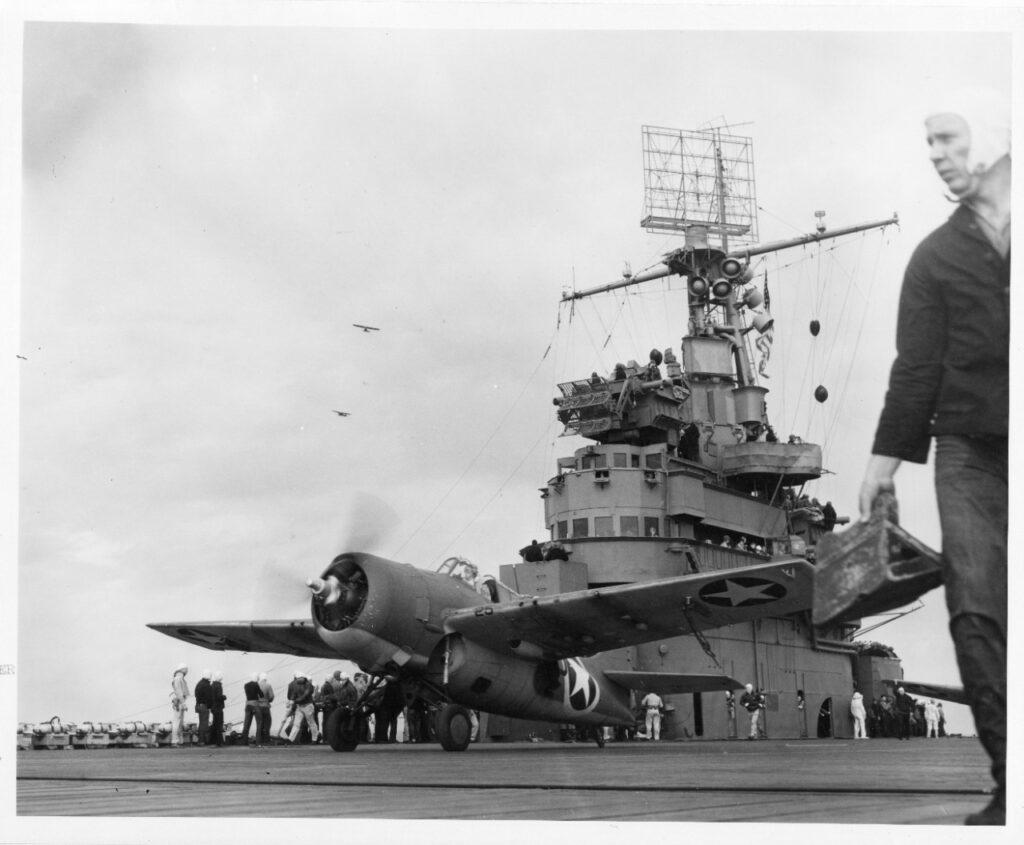
The Importance
North Africa was a strategically relevant area in the war. Situated in the Southern Mediterranean with access both to the Atlantic, the Suez Canal, and the rich oil fields of the Middle East, whoever controlled North Africa held an immense advantage in the war. Casablanca offered a strategic insertion point for allied forces because of its accessibility via the Atlantic, its proximity to the strait of Gibraltar, and the presence of an all-weather airfield. Taking Casablanca meant obtaining a key to changing the tempo of the war for the Allies.
The Plan
Operation Torch was to be an amphibious operation led by a joint Anglo-American task force to liberate North Africa from Nazi German and Vichy French rule. The operation aimed to liberate 3 cities: Algiers, Ouran, and Casablanca. At the time of its execution, it was the largest amphibious landing operation to date and was highly complex. Led by Lieutenant General Dwight David Eisenhower, the Allies went up against a force of 125,000 Axis soldiers stationed in Morocco, Algeria, and Tunisia.
Out of the 3 Taskforces of the operation, the Western Task Force was the one tasked with seizing Casablanca.
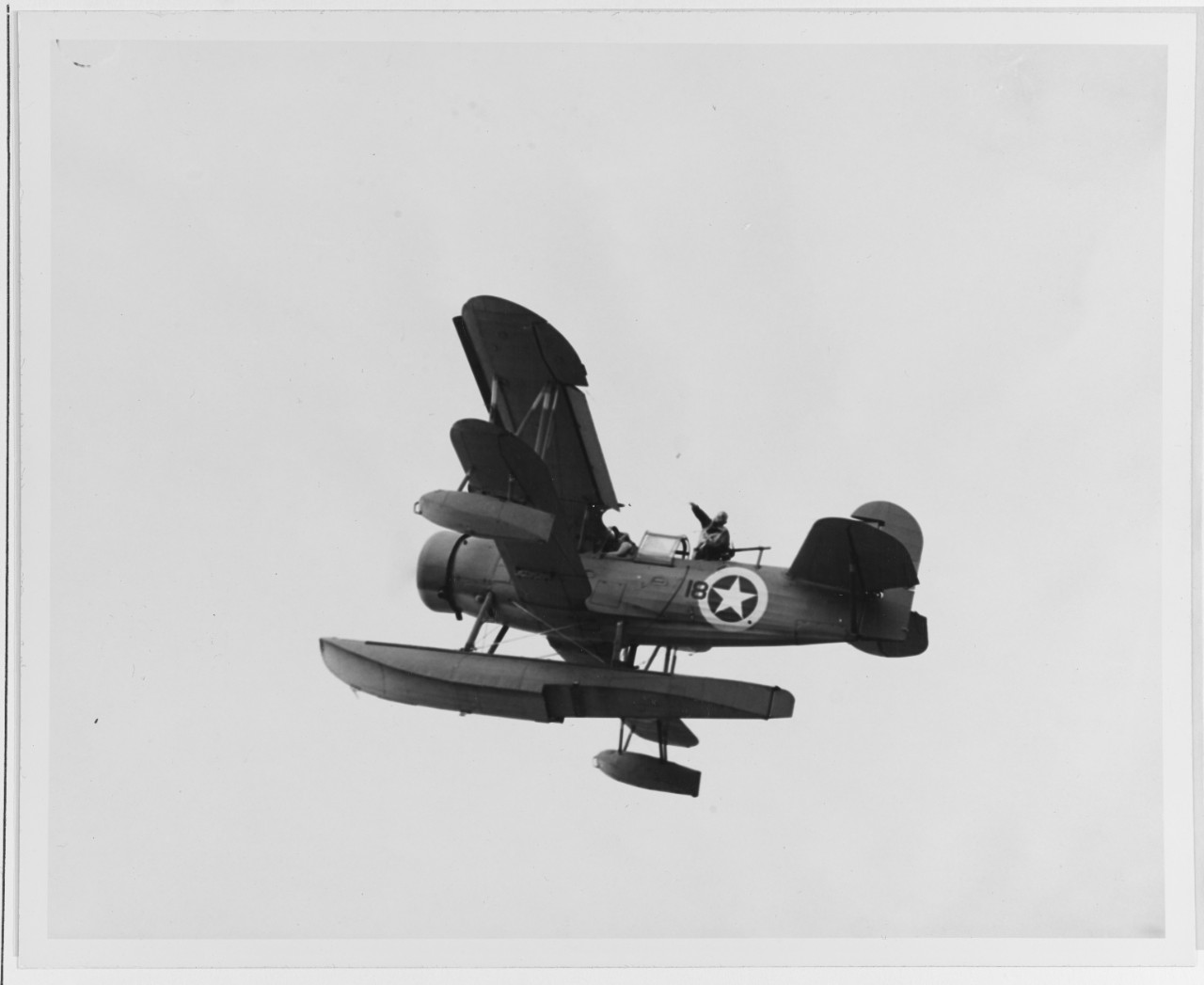
Despite its importance to the broader war, the Battle of Casablanca is not written about as much as other consequential battles in World War II
Text Analysis of Operation Torch: The Amphibious Assault on French Morocco 1942 by Alexandra Lohse and Jon Middaugh